LED Advertising and Business Applications: A Complete Guide for Businesses
Introduction
In today’s competitive business environment, attracting customer attention is an important part of marketing. Businesses need effective ways to communicate their offers, promote their products, strengthen brand awareness, and reach potential customers. Traditional advertising methods such as printed banners, posters, and static signboards can communicate basic information, but they may not offer the flexibility of dynamic digital content.
This is where LED advertising becomes a useful solution. LED display screens allow businesses to present videos, animations, promotional messages, product demonstrations, announcements, and brand campaigns on bright digital displays. Depending on the application, these screens can be installed in retail stores, shopping malls, corporate offices, restaurants, hotels, event venues, and outdoor advertising locations.
For businesses in Mumbai, where retail, hospitality, real estate, entertainment, and corporate activities create diverse advertising opportunities, LED display technology can be considered for both indoor and outdoor communication.
In this guide, we will explore what LED advertising is, how LED displays work, their major business applications, their benefits and limitations, the different types of LED advertising screens, and the factors businesses should consider before investing in a display solution.
What Is LED Advertising?
LED advertising is a form of digital advertising that uses Light Emitting Diode (LED) display technology to communicate promotional messages, product information, announcements, and brand content.
Unlike a conventional printed banner that displays a fixed message, an LED advertising screen can show multiple pieces of content through compatible display control systems. Businesses can update promotional creatives, schedule content, and change messages according to their marketing requirements.
For example, a retail store can display product promotions during the day and seasonal offers later. A restaurant can showcase its menu and special deals, while a corporate office can display company announcements, presentations, or welcome messages.
LED advertising can be used in indoor and outdoor environments. The appropriate display depends on the installation location, viewing distance, ambient lighting, screen size, weather exposure, and intended content.
How Does LED Advertising Work?
An LED advertising display uses an arrangement of light-emitting diodes to produce images, text, graphics, and videos. These components work together to create a digital display visible to an audience.
A typical LED advertising setup includes the following elements:
1. LED Display Modules
LED modules contain the individual display components used to form the screen. Multiple modules are assembled into a larger display of the required dimensions.
2. LED Cabinet or Display Structure
Cabinets or mounting structures hold the display modules in position. Their design depends on whether the screen is intended for a fixed indoor installation, outdoor advertising, or another application.
3. Control System
The control system processes and distributes visual content to the display. The specific hardware and software requirements depend on the screen configuration and installation.
4. Content Management
Compatible software or a supported media player allows users to prepare and display content. Depending on the system, content may be updated locally or remotely.
5. Power and Installation Infrastructure
A complete installation requires suitable power arrangements, mounting, cabling, ventilation where necessary, and safe access for maintenance. Outdoor projects may require additional weather protection and structural planning.
The complete setup should be selected according to the project requirements rather than choosing a screen based only on its size or appearance.
Major Types of LED Advertising Screens
Different advertising environments require different display specifications. Understanding the main options helps businesses choose an appropriate solution.
1. Indoor LED Display Screens
Indoor LED screens are designed for environments such as shopping malls, retail stores, showrooms, offices, conference rooms, and reception areas.
These displays are useful when viewers may stand relatively close to the screen. Resolution, pixel pitch, viewing distance, brightness, and the type of content are important selection factors.
Common applications include:
- Retail product promotions
- Shopping mall advertising
- Brand displays in showrooms
- Corporate presentations
- Reception and welcome displays
- Indoor events and exhibitions
2. Outdoor LED Advertising Screens
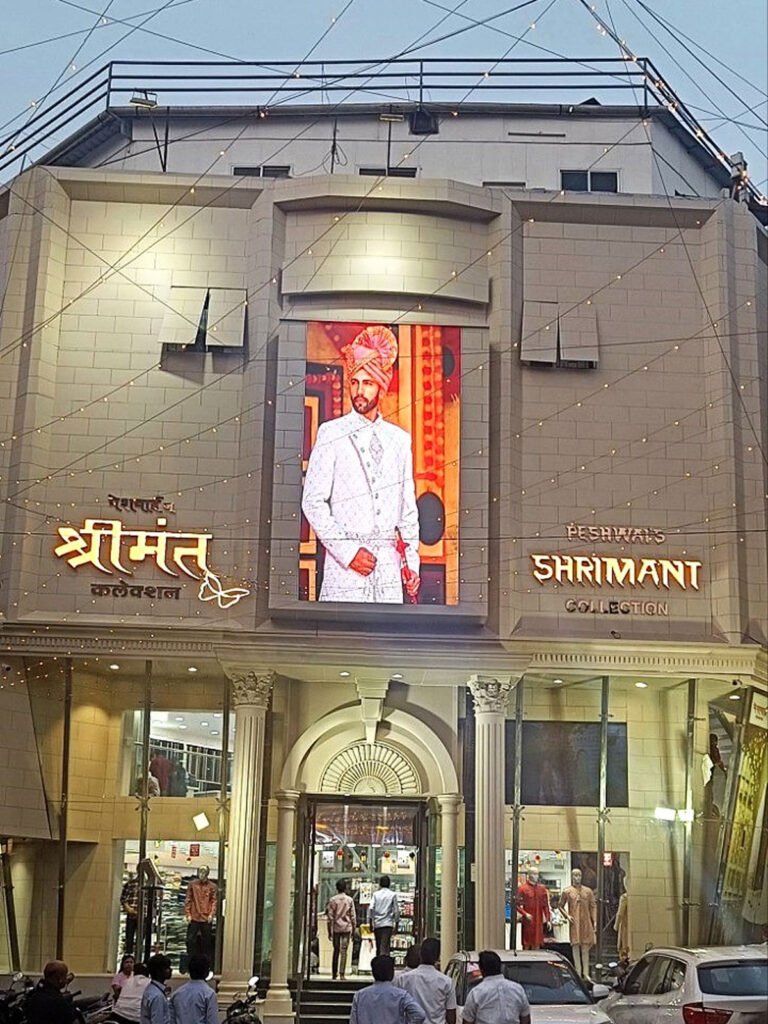
Outdoor LED screens are used in environments exposed to sunlight and changing weather conditions. Their specifications must suit the installation location.
Businesses may use them for advertising campaigns, commercial signage, public announcements, and promotional displays.
Important considerations include brightness, weather protection, structural safety, viewing distance, electrical installation, and compliance with applicable local permissions.
For businesses planning outdoor LED advertising in Mumbai, the installation site and its exposure to rain, heat, dust, and direct sunlight should be evaluated before selecting equipment.
3. LED Video Walls
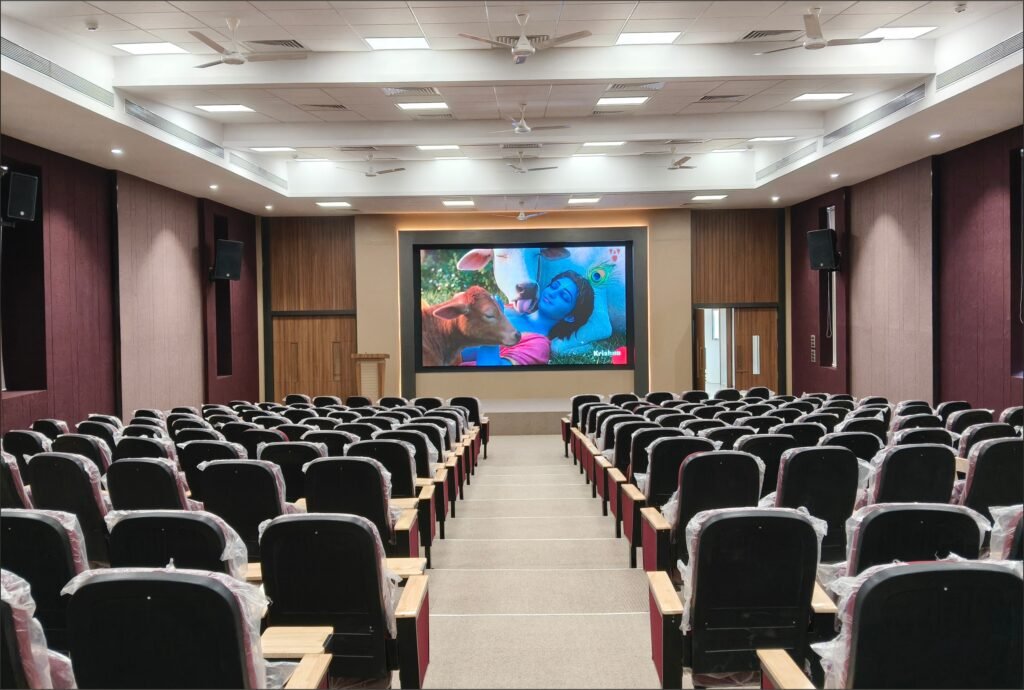
An LED video wall is a large display assembled from multiple LED modules or cabinets. It can be used to show one large image, multiple visual sections, videos, presentations, or branded content.
LED video walls are commonly considered for corporate environments, event venues, retail spaces, auditoriums, and commercial display projects.
The required screen dimensions, resolution, pixel pitch, control system, and installation structure should be determined by the intended use.
4. Transparent LED Displays
Transparent LED displays allow a degree of visibility through the display structure while presenting digital content.
They may be suitable for selected storefronts, glass partitions, commercial interiors, and architectural display applications. Transparency, image visibility, ambient light, and the building’s installation requirements must be assessed before choosing this technology.
5. Flexible and Creative LED Displays
Flexible or specially configured LED displays can support selected curved, creative, or unconventional display designs, depending on the product specification.
They may be used in experiential marketing, exhibition installations, showrooms, entertainment environments, and architectural projects.
Not every LED panel supports bending or curved installation. Businesses should confirm the manufacturer’s permitted configuration and installation requirements.
10 Important Business Applications of LED Advertising
LED advertising is not limited to large outdoor billboards. It can support several types of business communication, from promoting products to improving the presentation of information.
1. Retail Stores and Showrooms
Retail businesses need to communicate product benefits, discounts, new arrivals, and seasonal offers. LED advertising screens can display this information through changing visuals and promotional videos.
For example, a clothing showroom can present new collections, a furniture store can highlight featured products, and an electronics retailer can demonstrate product features.
Business applications:
- Product launches and promotions
- Seasonal offers
- Brand storytelling
- Product demonstration videos
- Storefront advertising
Businesses should select screen placement and content based on visibility, customer movement, and the viewing environment.
2. Shopping Malls and Commercial Complexes
Shopping malls contain multiple retail outlets, food businesses, entertainment facilities, and visitor services. LED displays can help communicate promotional campaigns and location-based information.
Displays may be considered for entrances, atriums, event spaces, selected corridors, and retail areas where installation is permitted.
Possible content includes event announcements, store promotions, brand campaigns, and visitor information.
For property managers and advertisers, the placement, viewing distance, audience movement, and permissions for commercial display are important planning considerations.
3. Restaurants and Cafes
Restaurants and cafes can use digital LED displays for selected promotional and branding applications.
For example, a restaurant may showcase its brand, highlight special dining events, or present promotional videos. Depending on the environment, other types of digital signage may be more suitable for detailed menus or frequent price changes.
The display should remain readable and should not interfere with the dining experience.
Potential applications:
- Brand and promotional displays
- Special event announcements
- Food photography and promotional videos
- Seasonal campaign messages
- Customer-facing digital signage
4. Hotels and Hospitality Businesses
Hotels, resorts, banquet halls, and hospitality venues communicate information to guests throughout their premises.
LED displays may be used in lobbies, event areas, reception zones, and selected common spaces.
They can present welcome messages, event information, brand visuals, and promotional content for hotel facilities.
The appropriate screen depends on the interior design, guest viewing distance, lighting, and type of information being displayed.
5. Corporate Offices and Conference Rooms
Corporate offices use visual communication for meetings, presentations, announcements, training, and brand communication.
LED video walls can provide a large visual surface for presentations and selected collaborative activities. Reception displays can also present company branding and welcome messages.
Before installation, businesses should consider room dimensions, viewing distance, content resolution, connectivity, acoustics where relevant, and compatibility with existing presentation equipment.
6. Real Estate and Property Marketing
Real estate developers and property consultants need to present project information, property features, floor plans, amenities, and promotional videos.
LED displays can be used in property sales offices, show flats, project presentation areas, exhibitions, and selected outdoor advertising locations.
For example, a property showroom can display project walkthrough videos, amenity highlights, and location information.
The content should accurately represent the project and should be updated when prices, availability, or specifications change.
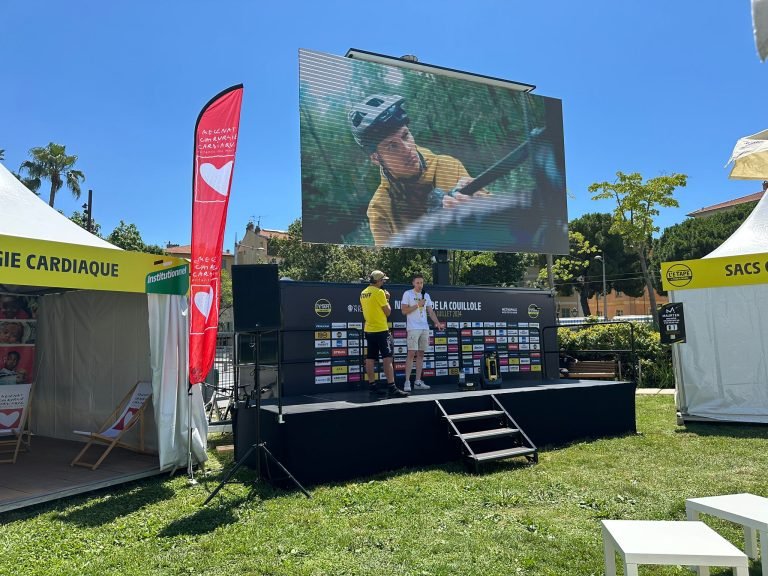
7. Events, Exhibitions, and Trade Shows
Events and exhibitions often require visually engaging displays to communicate with attendees.
LED screens can be used for event backdrops, sponsor visibility, product demonstrations, stage visuals, presentations, and brand activations.
Organisers should consider screen dimensions, content format, audience viewing distance, installation time, technical support, and venue restrictions.
For temporary events, renting an LED screen may be worth evaluating alongside purchasing one, depending on the frequency and duration of use.
8. Educational Institutions and Training Centres
Educational institutions, training centres, and conference facilities can use LED displays for presentations, events, announcements, and promotional communication.
Potential applications include seminar presentations, admission campaign displays, event backdrops, and information screens.
The choice of display should match the room size, content requirements, viewing distance, and available budget.
9. Healthcare Facilities
Hospitals, clinics, and healthcare facilities may use digital displays for reception information, directional communication, health awareness campaigns, and selected announcements.
Content should be clear, accessible, and appropriate for patients and visitors. Important medical information should be accurate and approved by the relevant healthcare professionals.
The installation location should not obstruct movement or interfere with essential signs and emergency communication.
10. Outdoor Brand Awareness and Advertising
Outdoor LED displays can be considered for commercial advertising locations where the site, equipment, and permissions support their use.
Businesses may display product campaigns, brand videos, event promotions, and rotating advertising creatives.
However, visibility does not automatically guarantee customer engagement or sales. Results depend on location, audience exposure, message quality, campaign frequency, and the relevance of the offer.
Advertisers should define campaign objectives and measure performance using appropriate methods wherever possible.
Benefits of LED Advertising for Businesses
LED advertising offers several potential advantages when the display is selected and managed appropriately.
Dynamic and Flexible Content
Digital displays can present videos, images, animations, and text. Compatible systems can allow businesses to update campaigns without replacing printed display material every time a message changes.
Multiple Promotional Messages
Depending on the content schedule and screen configuration, a business can present several promotions on the same display. Content should remain easy to understand and should not change so quickly that viewers cannot read it.
Brand Visibility
A well-positioned display with clear messaging can help a brand stand out in its environment. The effect depends on placement, surrounding visual distractions, viewing distance, and the quality of the creative.
Support for Product Demonstrations
Moving visuals can help explain product features, show how a product works, or communicate an experience that is difficult to convey through a static sign.
Content Scheduling
Supported control systems may allow businesses to schedule different messages for particular times or campaigns. This can help organize promotional communication across the day.
Reusable Advertising Infrastructure
A display can support multiple campaigns over its useful life. However, the overall value depends on purchase or rental costs, electricity, installation, maintenance, content production, and replacement requirements.
LED Advertising vs Traditional Advertising
LED displays and traditional advertising formats serve different needs. Neither is universally better for every business.
| Factor | LED Advertising | Traditional Printed Advertising |
|---|---|---|
| Content | Digital images, video and animations | Printed graphics and text |
| Updates | Can be changed using a compatible system | Usually requires replacement or reprinting |
| Initial investment | Depends on screen and installation specifications | Often lower for simple printed material |
| Running costs | May include power, servicing and content management | May include printing, replacement and installation |
| Best suited for | Dynamic campaigns and reusable digital displays | Static messages and straightforward signage |
| Technical requirements | Power, compatible controls and maintenance | Printing and physical mounting |
Businesses should compare the total cost, campaign duration, location, and intended audience before selecting an advertising format.
How to Choose the Right LED Advertising Screen
Choosing the right display requires more than selecting the largest screen available. The following factors help businesses make a more informed decision.
1. Define Your Advertising Objective
Decide whether the display is intended for brand awareness, product promotion, customer information, corporate presentations, or another purpose.
The objective will influence the screen type, location, content format, and performance measurements.
2. Choose Indoor or Outdoor Installation
Indoor screens and outdoor screens operate in different environments. Consider lighting, weather exposure, audience distance, and the relevant equipment specifications.
3. Select the Appropriate Pixel Pitch
Pixel pitch describes the distance between corresponding points of neighbouring pixels. It is commonly expressed in millimetres.
A smaller pixel pitch can support greater pixel density and more detailed viewing at closer distances, but it may also affect project cost. The correct choice depends on the screen dimensions, content, and viewing distance.
4. Evaluate Brightness and Viewing Distance
The screen should be visible under the expected lighting conditions without being unnecessarily bright for its environment.
Assess the audience’s likely position and the viewing distance before choosing the display specification.
5. Review Installation Requirements
Check mounting arrangements, available space, power supply, cable routing, ventilation, structural loading, maintenance access, and relevant permissions.
Outdoor and large-format installations may require specialist assessment and qualified installation professionals.
6. Compare Total Project Cost
Consider the display, controller, supporting equipment, installation, transport, electrical work, content preparation, warranty, maintenance, and future servicing.
Request a detailed quotation based on the intended application rather than comparing only headline screen prices.
7. Check Support and Warranty
Ask about the warranty terms, service coverage, spare parts, troubleshooting support, and expected maintenance requirements.
A clear support arrangement is especially important for displays used in business-critical environments.
LED Advertising Cost in Mumbai: What Affects the Price?
LED screen costs vary according to the project specification. There is no single price that applies to every installation.
The main factors affecting the cost include:
- Screen size: Larger displays generally require more display modules and supporting infrastructure.
- Pixel pitch and resolution: Higher pixel density can affect the equipment cost.
- Indoor or outdoor specification: Environmental requirements differ between installations.
- Brightness and display performance: The selected specifications influence the final quotation.
- Mounting and structure: Wall mounting, freestanding structures, and other configurations have different requirements.
- Control system: The required controller and content management setup depend on the display.
- Installation location: Transport, access, height, electrical work, and site preparation can affect project cost.
- Maintenance and warranty: Support terms and ongoing servicing should be considered in the total budget.
For a Mumbai project, businesses should provide the intended location, screen dimensions, viewing distance, indoor or outdoor use, and purpose when requesting a quotation.
Comparing quotations with the same technical specifications makes it easier to understand the differences in price and scope.
LED Advertising Considerations for Businesses in Mumbai
Mumbai has a diverse business environment, including retail stores, corporate offices, hotels, restaurants, shopping centres, property developers, and event venues. These businesses may have different needs for digital display technology.
Before installing an LED advertising screen in Mumbai, consider the following:
- Location suitability: Evaluate visibility, viewing distance, footfall, and the intended audience.
- Local permissions: Confirm the applicable permissions, signage rules, advertising regulations, and building requirements for the specific site.
- Weather exposure: Outdoor installations should use equipment appropriate for the local environment.
- Electrical and structural safety: Ensure that installation and supporting infrastructure meet applicable requirements.
- Content quality: Use readable messages, clear visuals, accurate information, and a relevant call to action.
- Maintenance access: Plan how technicians can inspect and service the screen safely.
Requirements can differ by site and installation type. Businesses should confirm applicable rules with the relevant property manager and authorities before proceeding.
Best Practices for Effective LED Advertising Content
A technically suitable display still needs effective creative content. Follow these practices to improve the quality of your advertising messages.
Keep the Message Simple
Use one main idea per creative. A short headline and a clear visual are usually easier to understand than a screen filled with paragraphs.
Use Readable Typography
Choose fonts, sizes, and contrast that suit the viewing distance. Test the creative on the actual display whenever possible.
Use High-Quality Visuals
Product photography, clear brand assets, suitable animations, and properly formatted videos can help communicate the intended message.
Include a Clear Call to Action
Depending on the campaign, a call to action might ask viewers to visit a website, contact the business, explore a product, or visit a store.
Match Content to the Audience
Use messages that are relevant to the people likely to see the display. Retail promotions, corporate announcements, and event messages should be designed for their respective audiences.
Review Performance
Track available indicators such as enquiries, website visits, campaign-specific QR code scans, or other measurable actions. Use these results to improve future content.
Common Mistakes to Avoid When Using LED Advertising
Businesses should avoid these common mistakes when planning an LED display project:
- Choosing a screen without considering viewing distance.
- Selecting indoor equipment for an unsuitable outdoor environment.
- Displaying too much text or too many competing messages.
- Ignoring installation, electrical safety, and maintenance access.
- Failing to confirm site permissions before installation.
- Comparing quotations without checking technical specifications.
- Using outdated prices, promotions, or contact information.
- Expecting increased sales without a clear marketing and measurement plan.
Careful planning helps businesses choose a display that suits their communication needs and available budget.
Frequently Asked Questions About LED Advertising
1. What is LED advertising used for?
LED advertising is used to display digital promotional content, brand messages, product information, announcements, and videos. Common applications include retail stores, shopping malls, corporate offices, hotels, events, and outdoor advertising locations.
2. Which businesses can benefit from LED advertising?
Retailers, restaurants, hotels, real estate businesses, educational institutions, corporate offices, event organisers, and other businesses may benefit from LED advertising when it fits their objectives, location, and budget.
3. What is the difference between indoor and outdoor LED advertising screens?
Indoor displays are designed for indoor environments, while outdoor displays must meet the requirements of their exposure to sunlight and weather. Brightness, weather protection, viewing distance, and installation requirements are important differences.
4. How much does an LED advertising screen cost in Mumbai?
The price depends on screen size, pixel pitch, brightness, indoor or outdoor specifications, mounting, control equipment, and installation. A project-specific quotation is the best way to determine the actual cost.
5. Is LED advertising better than traditional advertising?
LED advertising supports dynamic content and digital updates, while traditional advertising can be suitable for simple, lower-cost static messages. The better choice depends on the campaign, location, budget, and business objectives.
6. How do I choose the right LED display for my business?
Define your objective, installation environment, viewing distance, required resolution, budget, maintenance needs, and content requirements. Compare suitable specifications and obtain detailed quotations before making a decision.
7. Can LED screens be used for outdoor advertising in Mumbai?
Yes, suitable outdoor LED displays can be used for outdoor advertising where the installation, equipment, and location meet the applicable technical, safety, and regulatory requirements. Site-specific permissions should be confirmed before installation.
8. How can businesses measure the performance of LED advertising?
Businesses can track campaign-related website visits, QR code scans, enquiries, store visits where measurable, and other relevant indicators. The measurement method should match the campaign objective.
Conclusion
LED advertising offers businesses a flexible way to communicate brand messages, promote products, present information, and create digital display experiences. From indoor retail displays and corporate video walls to outdoor advertising screens and event installations, the technology can support a variety of business applications.
However, a successful LED display project requires the right equipment, suitable placement, effective content, safe installation, appropriate permissions, and a realistic budget. Businesses should evaluate their objectives and compare specifications before selecting a solution.
For businesses in Mumbai exploring LED advertising, Dynamic LED Screen Solutions can use this content as a starting point for explaining display options, applications, technical considerations, and project requirements to potential customers.
If you are planning an LED advertising project, identify your application, preferred screen size, installation location, and budget requirements before requesting a suitable solution.
Explore LED Display Solutions: Visit Dynamic LED Screen Solutions to learn more about the available solutions and enquire about a suitable LED display for your business.
Editorial note: Add links to the relevant indoor LED, outdoor LED, LED video wall, installation, and contact pages on your website where these pages exist. Verify all product and service claims before publication.